Epoxy Bushings for High-Voltage Applications: Manufacturing,Testing and Quality Standards

Epoxy bushings are critical components in electrical equipment where reliable insulation and safe current transfer are required. In applications such as transformers, solar power systems and wind power systems, bushings must withstand electrical stress, temperature variations and demanding operating conditions.

The quality of an epoxy bushing depends not only on its design but also on how it is manufactured and tested.Controlled production processes, high-quality materials and thorough testing ensure reliable performance over the entire service life of the product.

CTR produces epoxy bushings in its own production facilities. Also supported by controlled production processes and dedicated quality testing facilities.

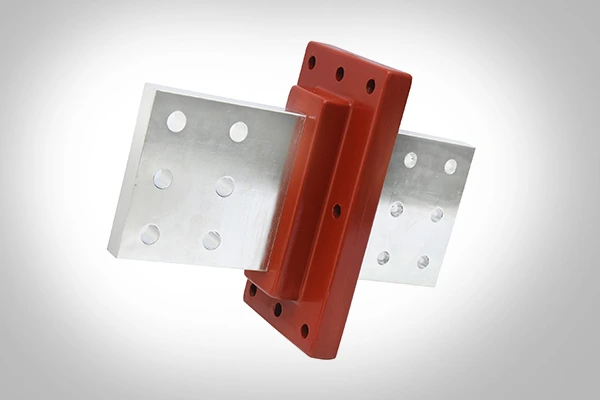
Epoxy Bushing 1.1kv

What Are Epoxy Bushings?

An epoxy bushing provides an insulated path for an electrical conductor to pass safely through an equipment enclosure or insulating barrier. The bushing must provide adequate electrical insulation while maintaining dependable mechanical and thermal performance. Any internal voids, pinholes, surface defects or leakage paths can affect insulation performance and reduce the reliability of the electrical equipment.

That’s why the manufacturing process plays a major role in the overall quality of an epoxy bushing.

In-House Manufacturing for Better Process Control

CTR has an in-house, state-of-the-art manufacturing setup for epoxy bushings. Also have an Automatic Pressure Gelation (APG) machine and dedicated QA/QC testing facilities. APG technology helps produce epoxy insulation with controlled processing conditions. Maintaining proper process parameters is important for reducing the possibility of defects within the insulation and achieving consistent product quality.

Controlled Manufacturing Helps Reduce Defects

At CTR, manufacturing processes are closely controlled and monitored by an experienced and skilled workforce. Attention is given to the critical stages of production to reduce the chances of manufacturing defects.

High-Purity Copper for Reliable Current Carrying

The conductor is another main part of a bushing. In particular for high-current applications.CTR uses ETP grade copper with high purity of more than 99.3%. The copper is also tin plated to provide a suitable surface finish. Also supports continuous performance in electrical applications. High-purity copper offers good electrical conductivity, while the tin-plated surface provides additional protection for the conductor surface.

Epoxy Bushing Range for Solar and Wind Applications

Electrical systems used in renewable energy installations can require bushings capable of handling high current while maintaining dependable insulation performance.

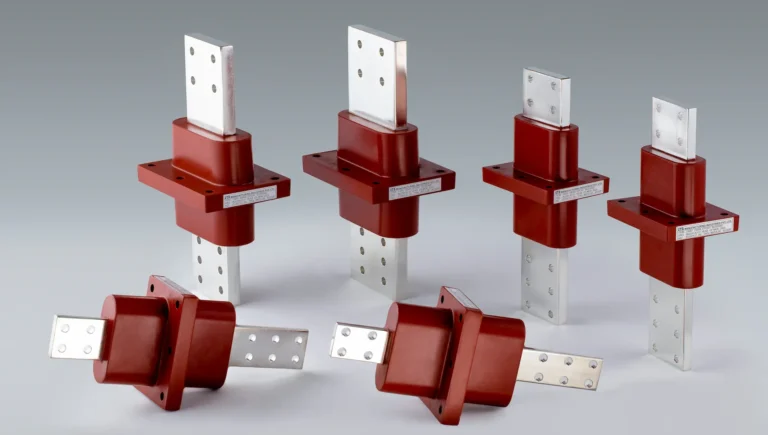
CTR’s epoxy bushing range includes:

  • 3.6 kV, 1100A
  • 3.6 kV, 1400A
  • 3.6 kV, 2150 A
  • 3.6 kV, 3300 A
  • 3.6 kV, 4000 A
  • 3.6 kV, 5000 A

These bushings are suitable for applications including solar and wind power systems,where dependable electrical insulation and current-carrying capability are required.

Epoxy Bushing for Solar and Wind Application

100% High-Voltage Testing of Every Bushing

Electrical testing is an essential part of bushing quality control. CTR carries out 100% high-voltage (HV) testing of each bushing before it is dispatched to the production unit. Testing every unit helps to identify potential insulation issues. Also provides an additional level of confidence in the electrical integrity of the finished product.

In-House Thermal Cycle Testing

Bushings can experience temperature changes during normal operation. Repeated heating and cooling can place thermal stress on the materials used in the bushing. CTR has an in-house facility for thermal cycle testing of bushings. This testing helps to evaluate the product’s ability to withstand repeated temperature variations under controlled conditions. Thermal cycle testing is particularly relevant for applications where electrical equipment experiences varying load conditions and corresponding temperature changes.

Glass Transition Temperature Above 130°C

The thermal characteristics of epoxy insulation are another important consideration when evaluating bushing performance. CTR’s epoxy bushing insulation has a Glass Transition Temperature (Tg) of more than 130°C. Tg indicates the temperature range at which an epoxy material transitions from a relatively rigid state toward a softer, more rubber-like state. A higher Tg can be an important characteristic for insulation materials used in applications involving elevated operating temperatures.

Type Testing to International and Indian Standards

Testing and compliance with recognized standards are important when selecting electrical insulation components.

CTR’s epoxy bushing products are type tested at NABL-approved laboratories and comply with:

  • IEC 60137

IEC 60137 specifies requirements for insulated bushings for alternating voltages above 1,000 V. While IS 2099 is the relevant Indian Standard for bushings for alternating voltages above 1,000 V. Testing at approved laboratories provides independent verification that the products meet the applicable requirements of the relevant standards.

Choosing the Right Epoxy Bushing Manufacturer

When selecting an epoxy bushing manufacturer, it is important to look beyond the product’s voltage and current rating. Manufacturing capability, material quality, testing facilities and compliance with applicable standards should also be considered. A trusted manufacturer should have the ability to control critical production processes,perform appropriate quality checks. Also provide test documentation for the supplied products. 

For applications involving transformers, solar power systems, wind power systems and other high-current electrical equipment, these factors can make a significant difference to long-term equipment reliability.

CTR's Approach to Epoxy Bushing Manufacturing

The reliability of an epoxy bushing depends on much more than its basic electrical rating.Material quality, manufacturing control, insulation integrity, thermal performance and testing all contribute to the final product’s performance. 

CTR’s in-house manufacturing setup, Automatic Pressure Gelation technology, high-purity copper conductors, 100% HV testing and thermal cycle testing provide a controlled approach to epoxy bushing manufacturing.

For high-current applications in solar, wind and other electrical systems, selecting a bushing manufacturer with strong manufacturing and testing capabilities can help improve the reliability of the overall electrical equipment.