Advanced Substation Automation System (SAS) For Modern Power Substations

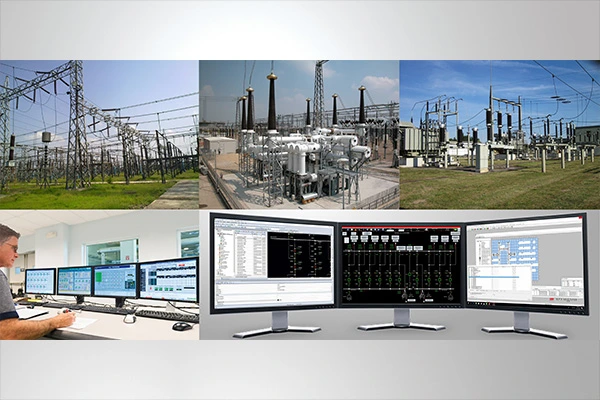
CTR offers a substation automation system based on advanced client-server architecture, designed for monitoring, control, and automation of modern power substations. It works with different network topologies and communication protocols, including IEC 61850.

The system is built on the zenon platform from COPA-DATA, and CTR is a registered partner of the COPA-DATA Partner Community. CTR’s own software, CTR CDZENON, is developed on this platform, giving utilities and industries a reliable, expandable system for supervising their substations.

Substation Automation System

What Is a Substation Automation System?

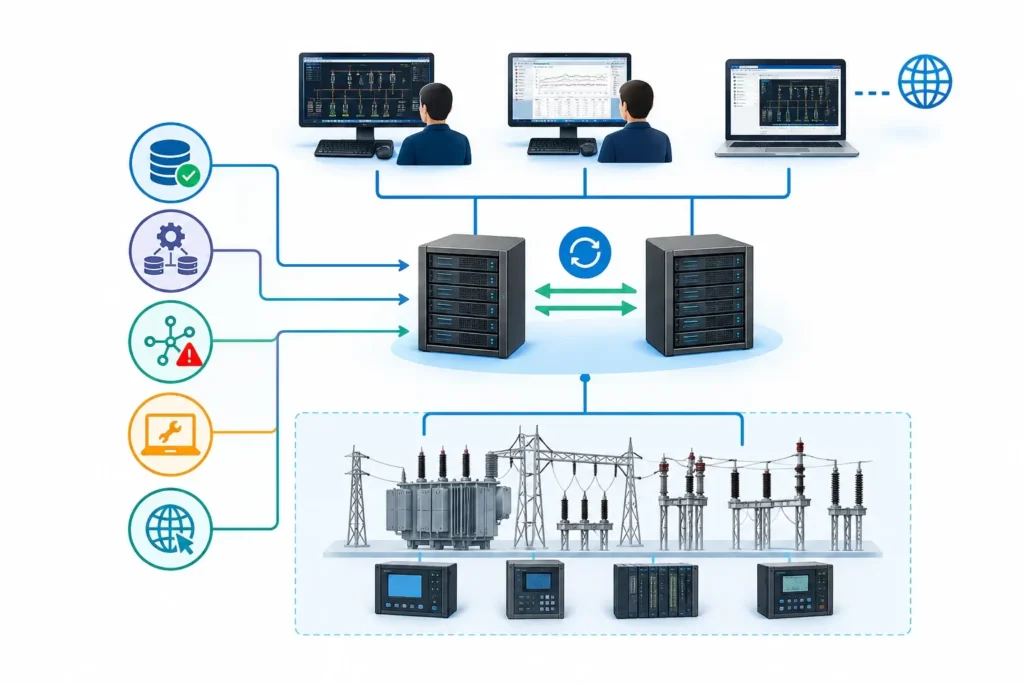
A substation automation system (SAS) is a set of servers, software, communication networks, and field devices that allow an operator to monitor and control a substation from one location. It collects data from transformers, circuit breakers and feeders. Then show this information to operators and send commands back to the field.

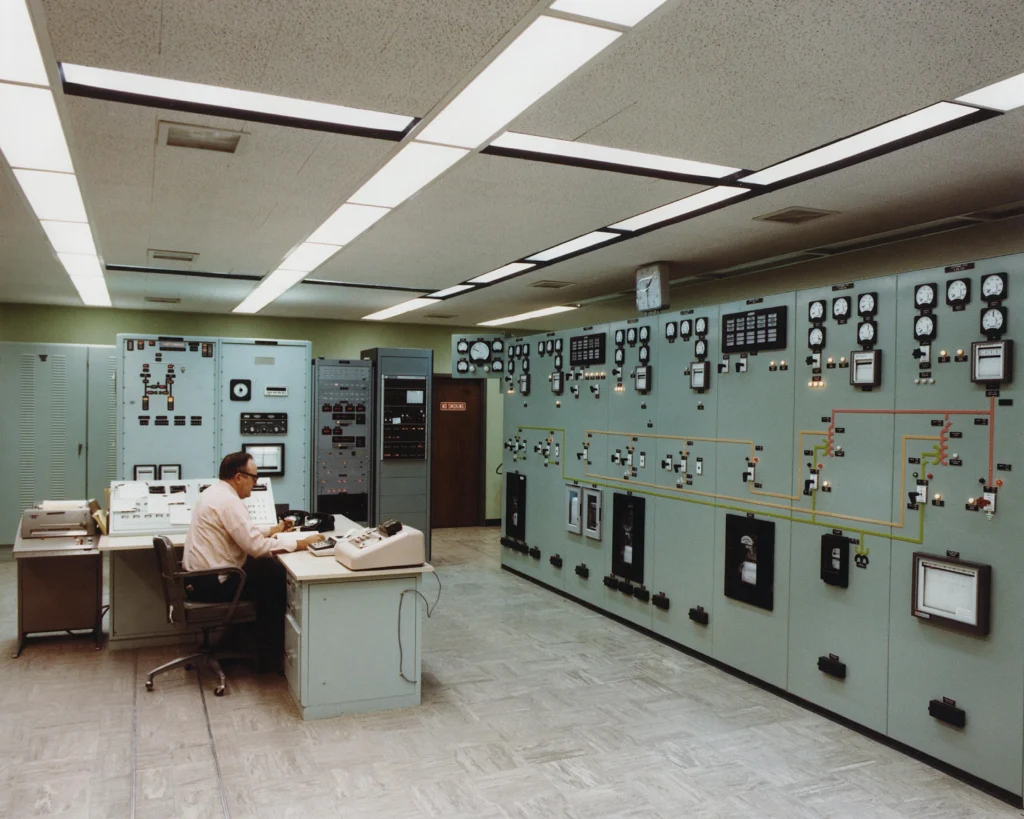
Without automation, staff reads meters and operates switches on site. This is slow and requires people to present. With an SAS the operators have a full picture of the substation in real time. They receive alarms immediately and can take local or remote action.

The basic data flow is:

Field devices → Communication network → SAS servers → Operator stations / control centre
How Does the CTR Substation Automation System Work?

The CTR system is built on a client-server architecture. Substation devices collect and store data from the servers. Operator clients then connect to the servers to monitor status, alarms and trends, and issue commands.

Key working points:

  • Servers exchange and store data accurately.
  • A main server and a backup server run together. If the main server fails for any reason.Then the system automatically switches to the redundant server.
  • Any changes to the configuration are automatically transferred to all servers.So every server always runs the same setup.
  • The system monitors its own network connectivity. Also alerts operators when a link is lost.
  • Local and remote diagnostic tools help engineers find problems without visiting the site.
  • Operators can also connect through a web server.

Key Features of the CTR Substation Automation System

Feature What it means for you
Client-server architecture Central data handling with multiple operator stations
Supports IEC 61850 and other protocols Works with modern and existing substation devices
Compatible with various network topologies Fits different substation layouts
Automatic main and redundant server switching Keeps supervision running if a server fails
High reliability in data exchange and storage Protects event and measurement records
Hardware and software expansion Add bays and functions as the substation grows
Open, object-oriented, hierarchical, decentralised architecture Flexible and easier to extend and maintain
Suitable for all basic SCADA levels Covers station-level supervision requirements
Compatible with all versions of Microsoft Windows Runs on standard computers
Local or remote configuration Engineers can update the system from the control room or off site
Automatic transfer of configuration changes to all servers Reduces setup errors
Local and remote diagnostic tools Faster troubleshooting
Inbuilt network connectivity monitoring Early warning of communication faults
Web server connectivity Access to information through a browser

How to Choose a Substation Automation System

Choosing an SAS should not be based only on price. It must match your substation layout, devices, and operating practice.

Important selection parameters include:

Parameter Why It Matters
Number of bays and devices Defines system size and server capacity
Communication protocols (IEC 61850 and others) Decides compatibility with existing relays and meters
Network topology Affects reliability and cabling design
Redundancy requirement Decides whether you need main and standby servers
New or retrofit project Changes the engineering and shutdown plan
Future expansion Determines how much capacity to allow
Remote access needs Defines web server and remote configuration setup
Language and site requirements Language and site requirements

Substation Automation Applications

CTR’s substation automation system can be used in a wide range of substations.

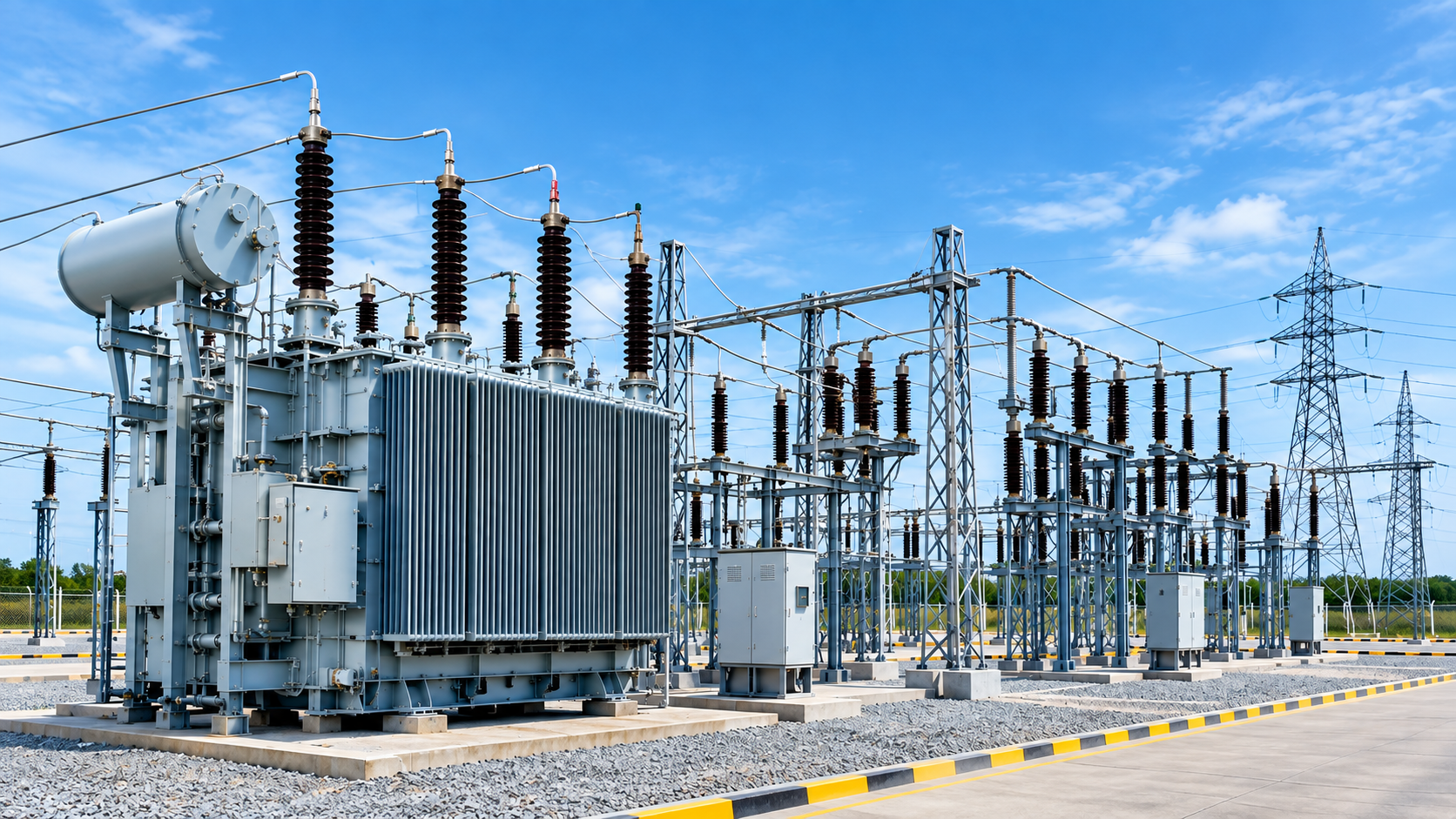
Utility Transmission Substations

Give real-time supervision and control of high voltage networks.

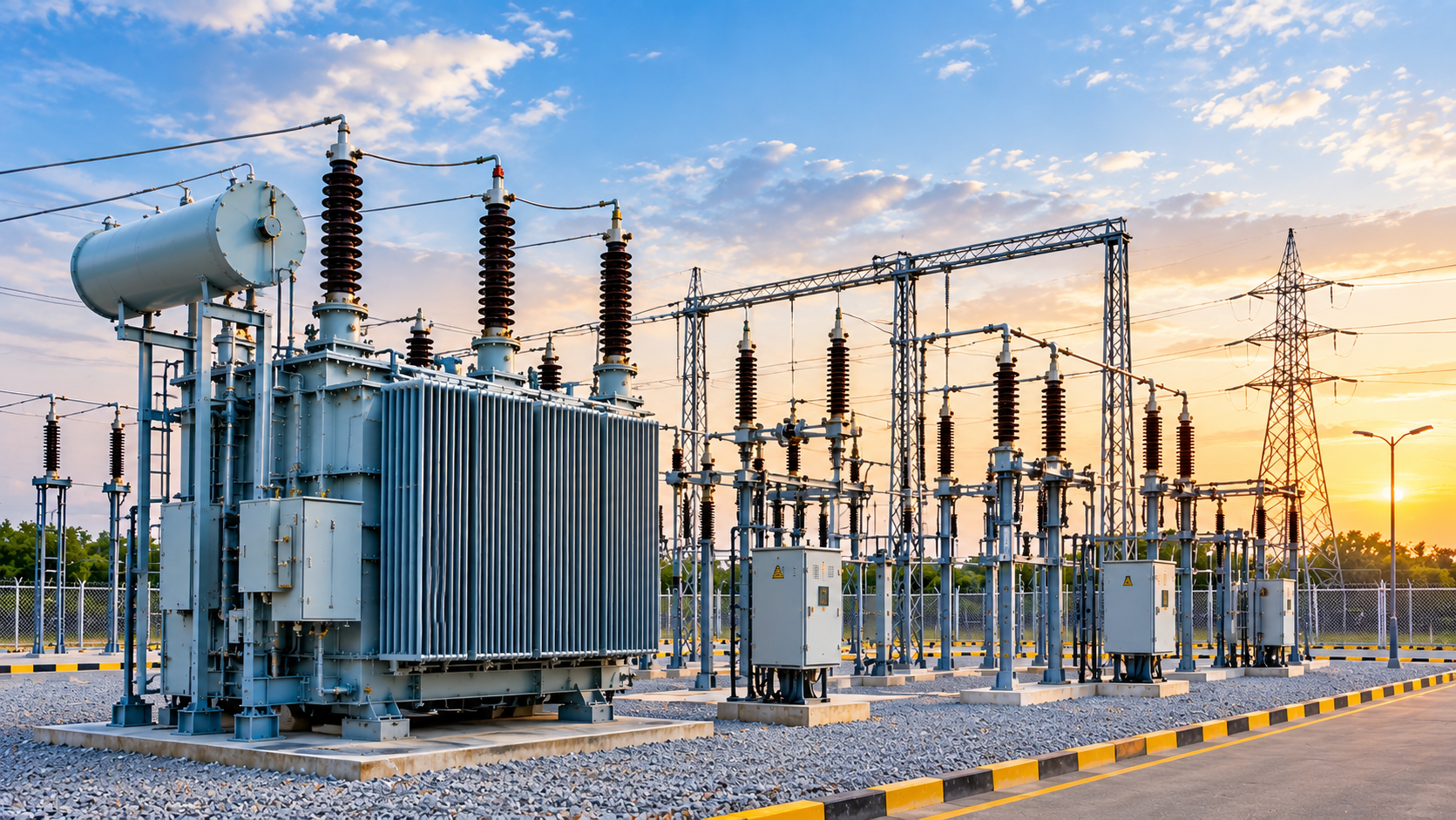
Distribution Substation

Distribution Substations

 Help utilities improve feeder supervision and reduce outage time.

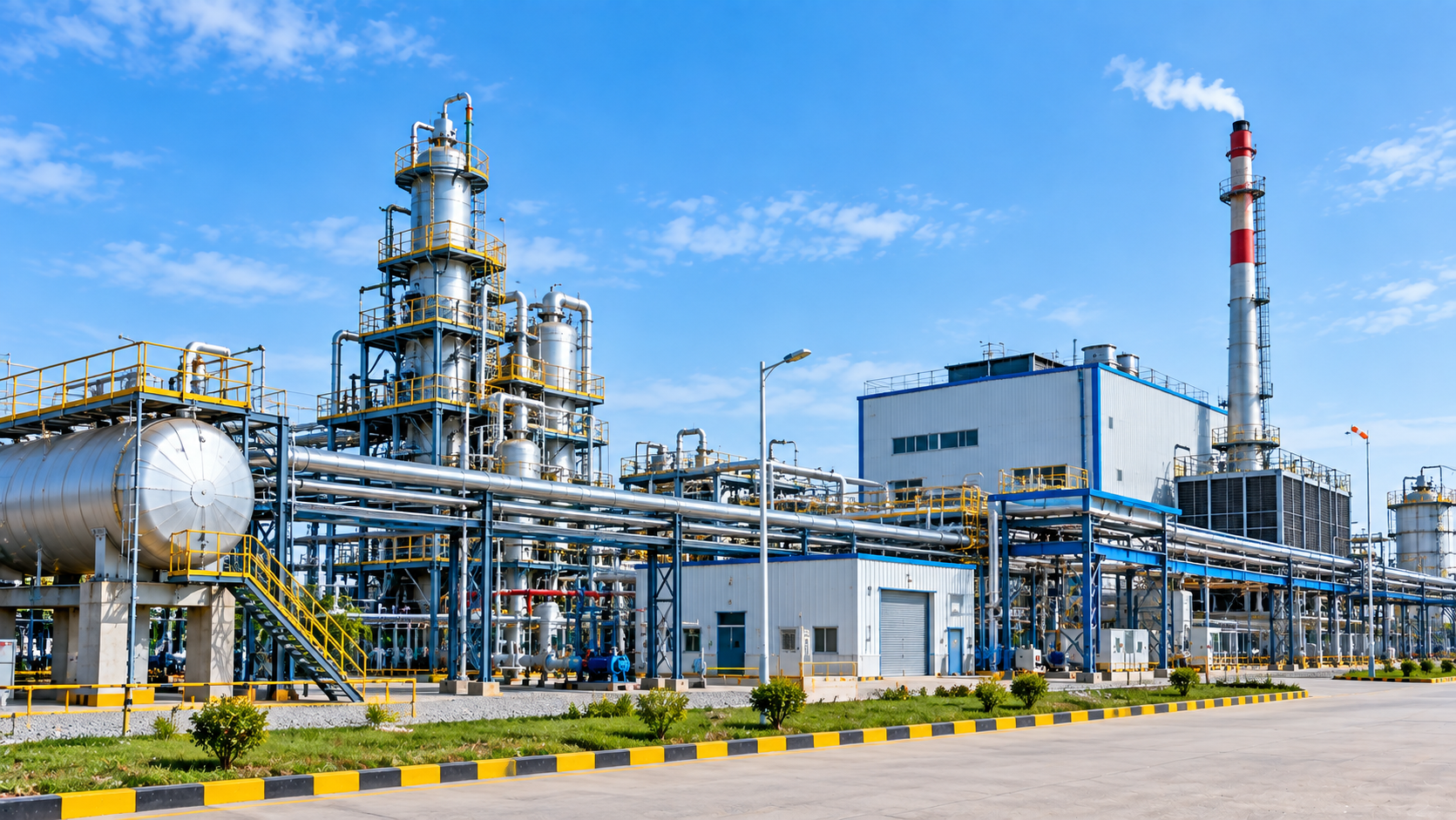
Industrial Plant

Industrial Plants

 Steel, cement, chemical, and process industries can supervise their internal power distribution.

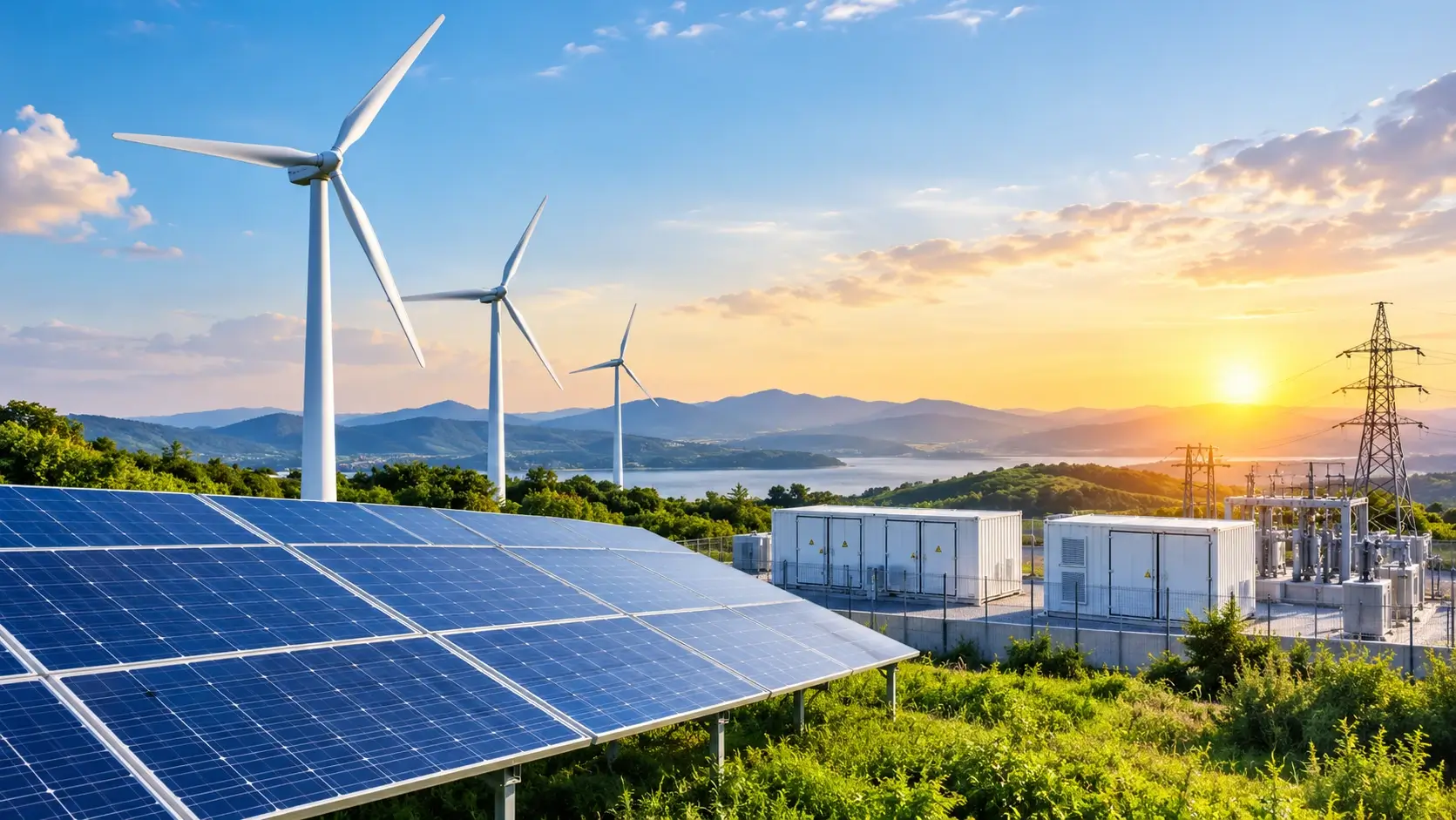
Renewable Energy Substation System

Renewable Energy Systems

Solar and wind sites benefit from remote supervision and diagnostics.

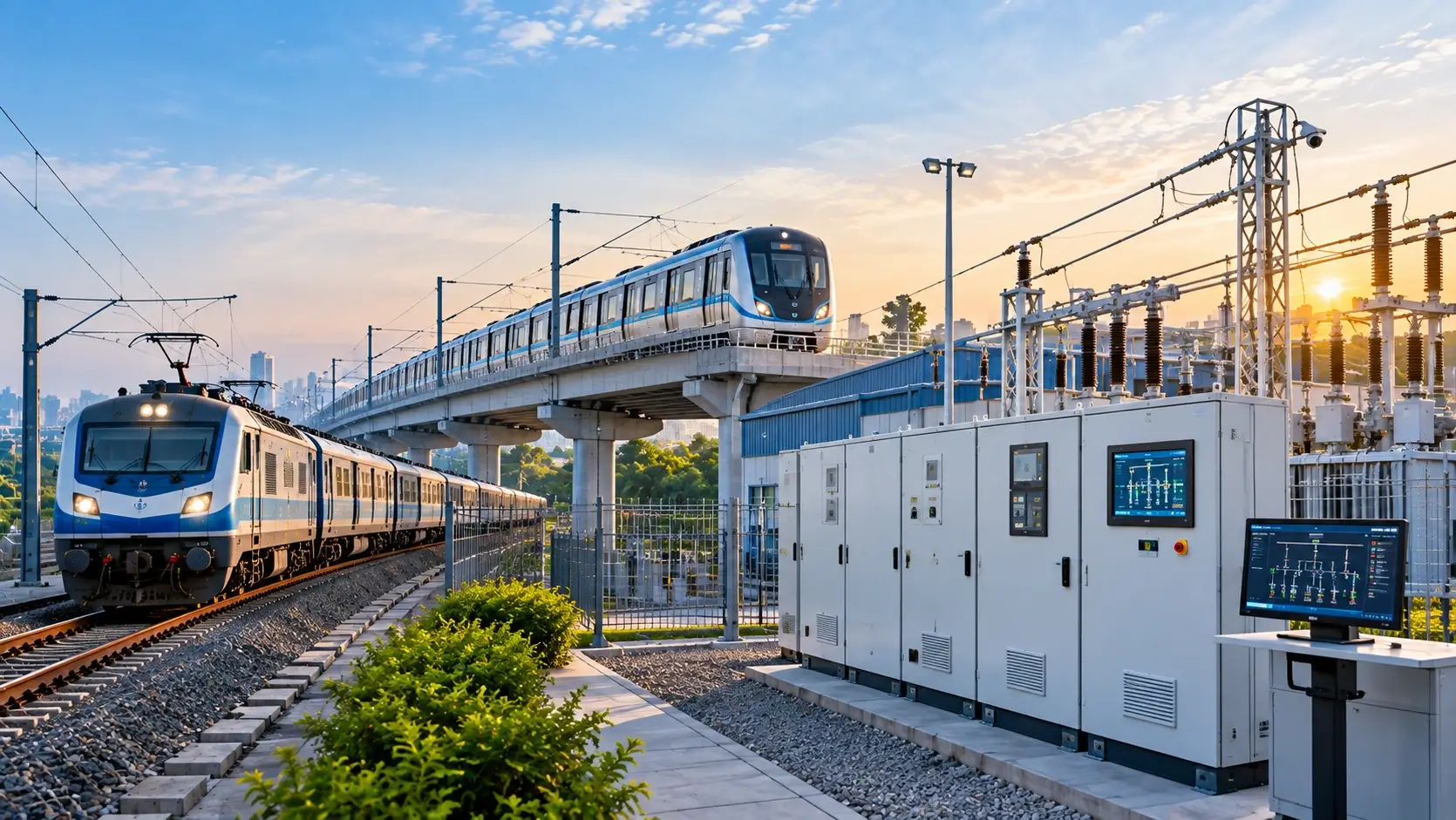
Railways and Metro Substation System

Railways and Metro

Fast alarm handling and reliable supervision for traction substations.

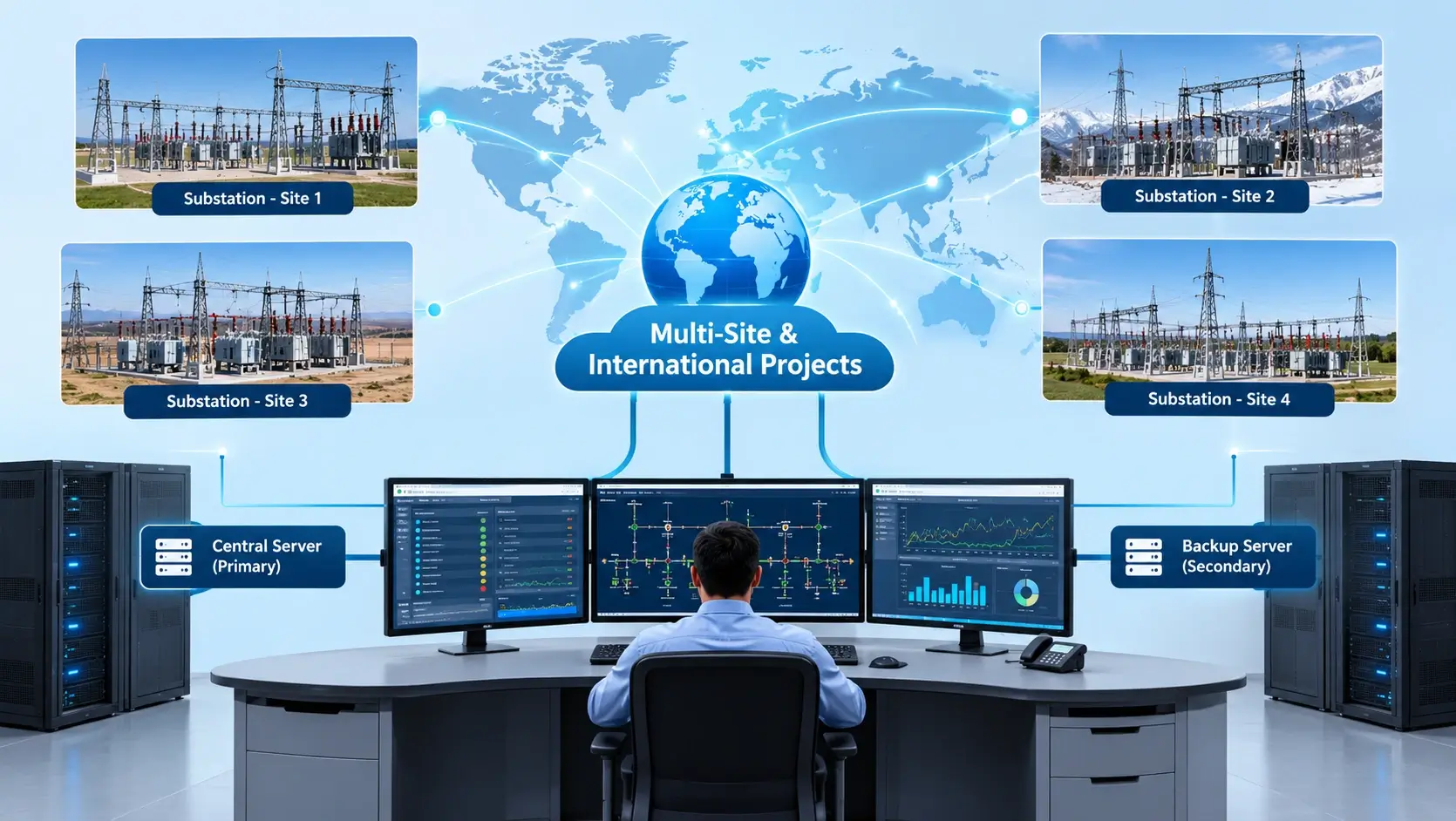
Multi Project Substation System

Multi-Site and International Projects

Multi-language runtime software supports teams working in different regions.

Why Choose CTR?

Decades in the power sector: CTR has served India’s power industry since the 1960s and is well known for onload tapchangers.

  • Proven software platform: the system is built on COPA-DATA’s zenon platform, and CTR is a registered partner of the COPA-DATA Partner Community.
  • Reliable by design: automatic main and redundant server switching and automatic configuration transfer.
  • Room to grow: hardware and software can be expanded as your substation grows.
  • Complete substation range: tapchangers, transformer accessories, power quality equipment, and fire safety products from one supplier.
  • In-house research and testing.
  • ISO-compliant manufacturing in India.

Planning a new or upgraded substation?
Share your requirements with CTR’s engineering team and get help choosing the right substation automation system.

Automation Substation System