Power Correction Capacitor for Efficient Electrical Systems
CTR Manufacturing Industries Pvt. Ltd. provides engineered capacitor solutions for industrial and commercial electrical systems where maintaining an appropriate power factor is paramount for efficient operation and effective utilization of electrical infrastructure.
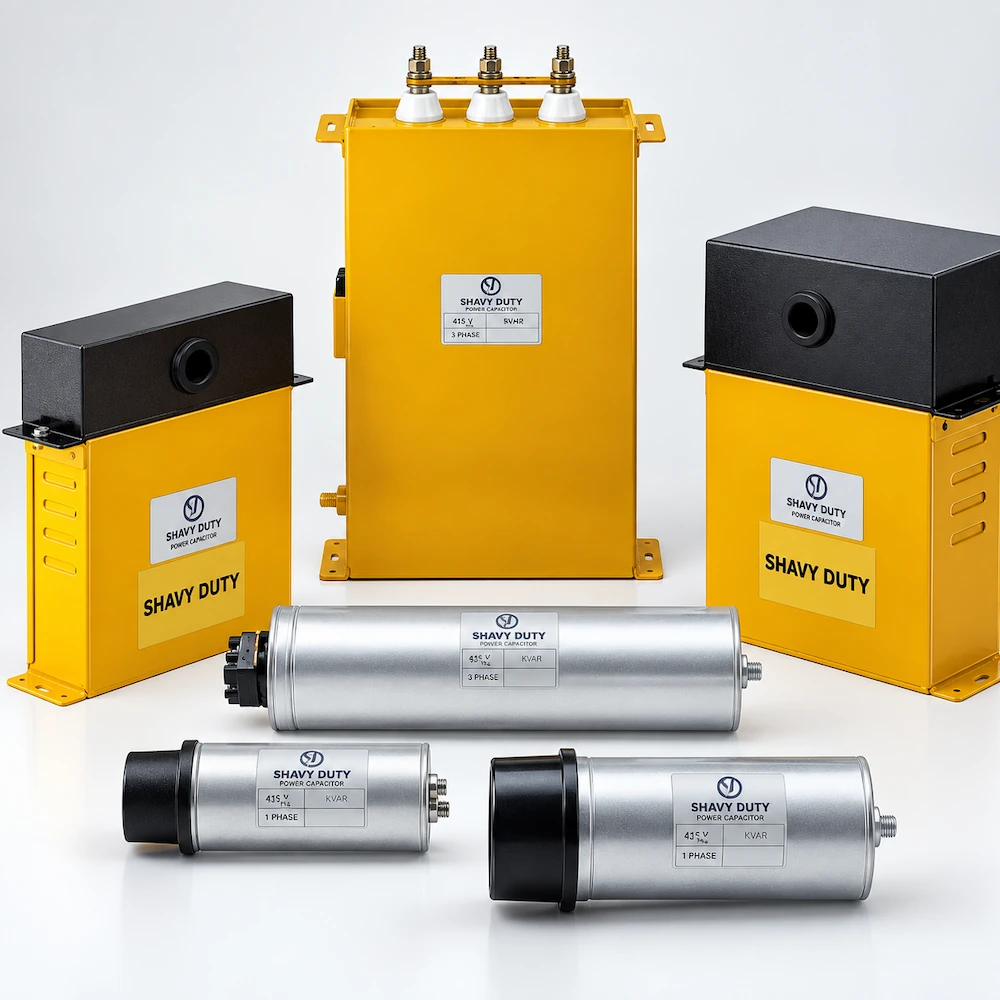
Overview
Electrical equipment such as motors, transformers, pumps, compressors and other inductive loads requires reactive power for operation. When reactive power demand becomes significant, the electrical system draws additional current from the supply.
- Industrial manufacturing plants
- Power generation facilities
- Electrical substations
- Commercial buildings
- Infrastructure projects
- Large motor-driven installations
What is a Power Correction Capacitor?
A Power Correction Capacitor is a capacitor used to compensate the reactive component of an electrical load.
Inductive equipment requires reactive power to establish magnetic fields. Although this component does not perform useful mechanical work, it contributes to current flowing through the electrical network.
Inductive Load
Inductive loads create a demand for reactive power, which can reduce the overall power factor.
Capacitor
Capacitors provide reactive power compensation to balance the reactive power demand.
Electrical System
Improved power factor and lower current demand help improve the efficiency of the electrical system.
Technical Specifications of Power Correction Capacitor
| Technology | Dry-type Metallised Polypropylene (MPP) capacitor |
| Application | Power factor correction and reactive power compensation |
| Configuration | Single-phase / Three-phase |
| Voltage Rating | 415 V, 440 V, 480 V, 525 V, 690 V, 750 V, 850 VAC |
| Capacitance Rating | Available as per required kVAR rating |
| Construction | Compact, dry-type construction |
| Harmonic Compatibility | Suitable for harmonic-rich loads |
| Standards | IS 13340:1993 / IEC 60831 series, as applicable |
| Protection | Burst-proof / safety-oriented capacitor construction |
Excellence in Numbers
How Power Correction Capacitor Works
Load Assessment
The electrical installation is evaluated to understand active power consumption, reactive power demand, existing power factor and load variation.
Phase 2
Capacitor Selection
The required kVAr capacity is calculated based on the difference between the existing and desired power factor.
Phase 3
Reactive Power Compensation
The capacitor supplies reactive power locally to offset part of the demand created by inductive equipment.
Phase 4
Current Reduction
Because less reactive power is drawn from the upstream supply, the current flowing through parts of the distribution system can be reduced.
Phase 5
Automatic Regulation
Where loads vary considerably, an automatic controller can connect or disconnect capacitor stages to match the changing requirement.
Phase 6
Improved System Efficiency
With reactive power compensation properly matched to the load, the electrical system can operate with a better power factor.
Application
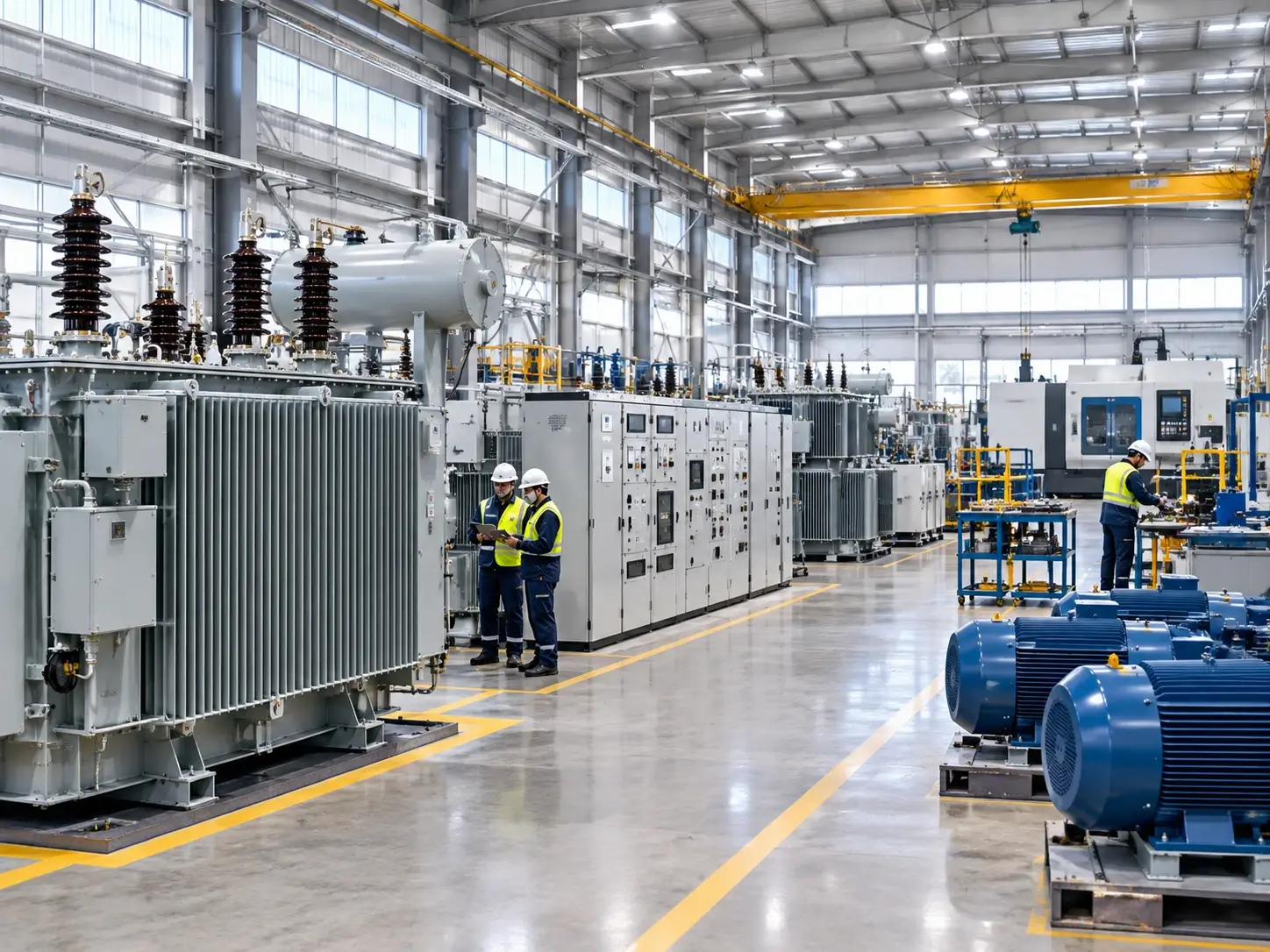
Manufacturing Plants
Production facilities often operate numerous motors and electrically driven machines. Compensation equipment can be integrated into the plant’s distribution system according to its load profile.

Cement Plants
Grinding mills, conveyors, crushers and other large motor loads can require considerable electrical capacity. Capacitor systems can be incorporated into the plant’s power distribution network.

Steel and Metal Industries
Large furnaces, rolling equipment, drives and auxiliary machinery can create substantial reactive power requirements. Properly engineered compensation helps manage this demand.

Textile Industries
Spinning, weaving, processing and other textile machinery frequently uses induction motors. Power factor correction can form part of the facility’s electrical efficiency strategy.

Chemical and Process Industries
Pumps, compressors, agitators and other process equipment create varying electrical loads. Capacitor systems can be configured according to the operating profile.
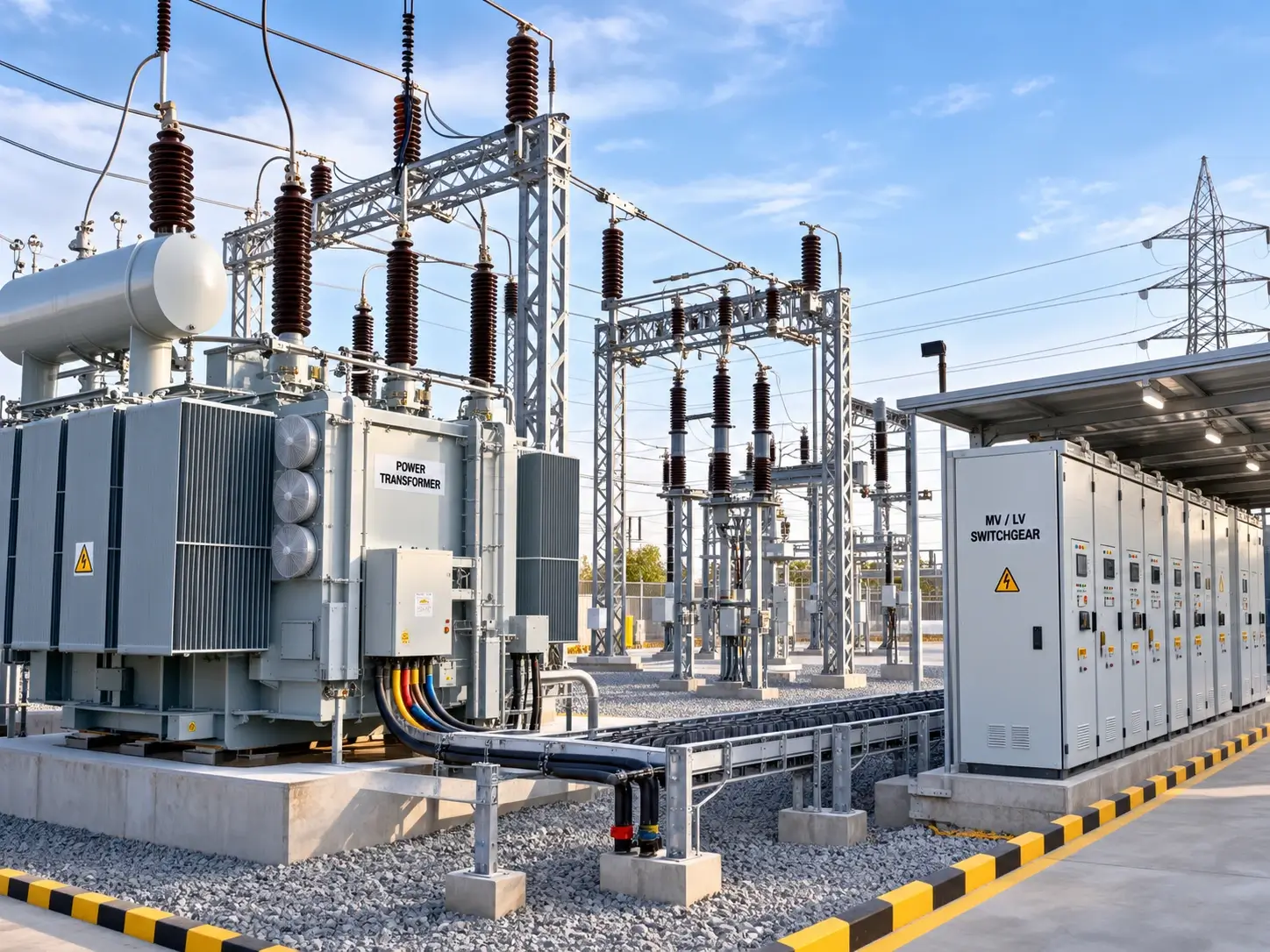
Power Distribution Systems
Utility and industrial distribution networks can use capacitor installations for reactive power management and voltage support, depending on the network design.
Benefits
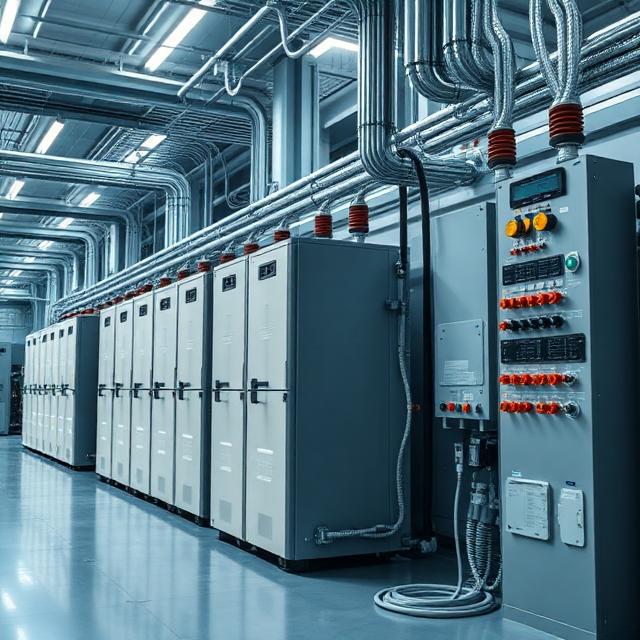
Better Power Factor
Appropriately sized capacitance offsets part of the reactive component of the load, allowing the installation to operate closer to its desired power factor.
Lower Distribution Current
For the same active power requirement, improved power factor can reduce the current required from the upstream supply.
Reduced I²R Losses
Lower current can reduce resistive losses in conductors and other parts of the electrical distribution network.
Better Use of Electrical Capacity
Reducing unnecessary reactive loading can make more effective use of available transformer, cable and switchgear capacity.
Improved Voltage Performance
Lower current through distribution components can help reduce voltage drop under suitable operating conditions.
Support for Energy Efficiency
By managing reactive power demand, a well-designed correction system can contribute to the overall electrical efficiency of a facility.
Why Choose CTR Manufacturing Industries Pvt. Ltd.?
Power correction equipment needs to be matched to the actual characteristics of an electrical installation. CTR can develop solutions based on project-specific parameters rather than relying on a single standard configuration.
The engineering approach can consider:
- Electrical load characteristics
- System voltage
- Required kVAr capacity
- Target power factor
- Transformer capacity
- Harmonic conditions
- Load fluctuations
- Project-specific protection requirements
This application-oriented approach helps ensure that the selected capacitor arrangement is appropriate for the facility’s operating conditions.
REACH US
THANK YOU!
We've received your message and
we'll get back to you soon!